The 36th Bard Music Festival
Mozart and His World
AUGUST 7–16
“The summer’s most stimulating music festival” —The Los Angeles Times
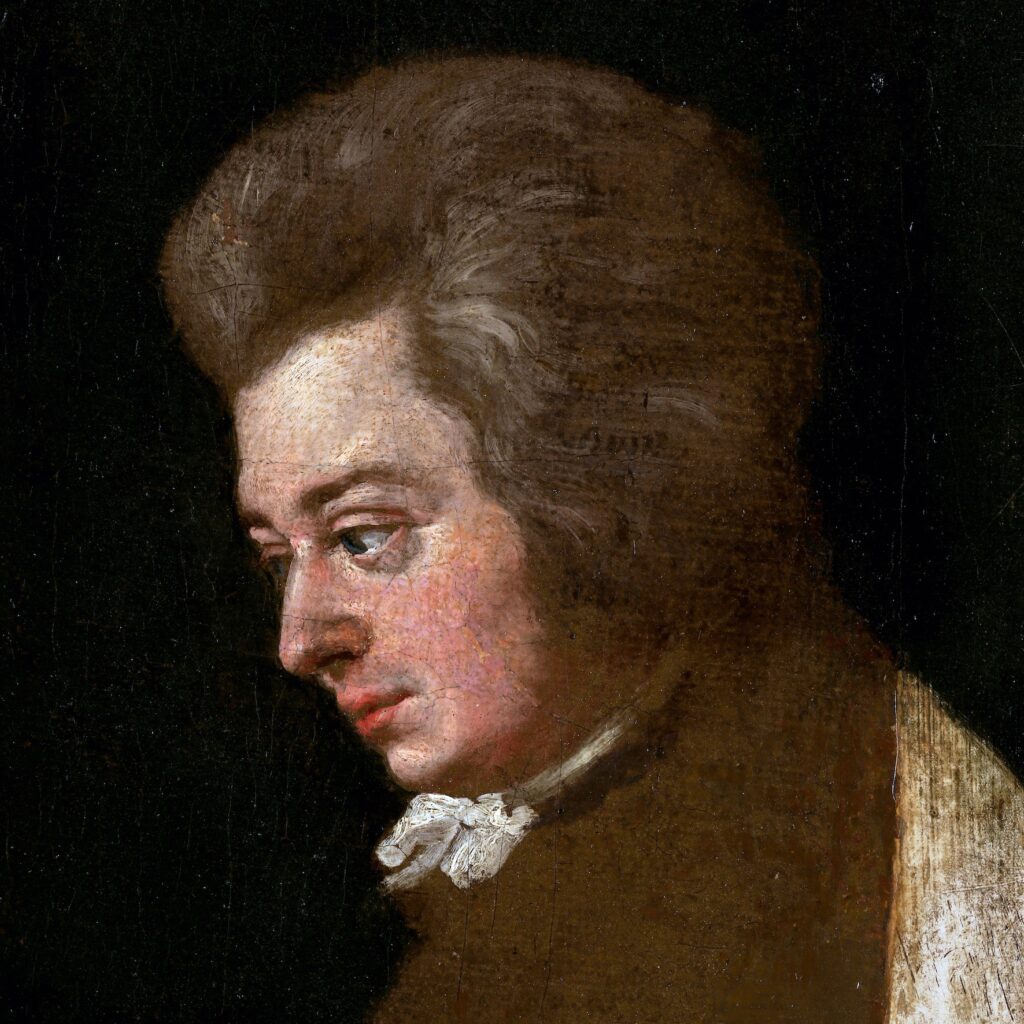
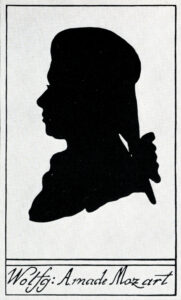
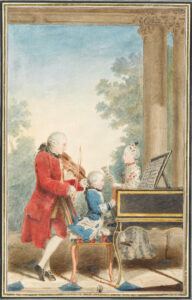
The Bard Music Festival returns with an exploration of Wolfgang Amadé Mozart, the most celebrated and recognized name in classical music.
What's On
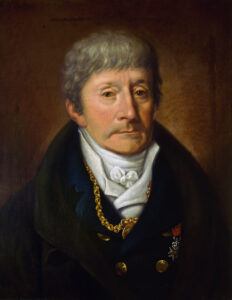

Plan Your Visit


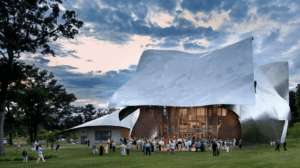
About the Bard Music Festival
“The most imaginative summer music festival in the country.” —Los Angeles Times
The Bard Music Festival promotes new ways of understanding and presenting the history of music to a contemporary audience. Each year, a single composer is chosen as the main subject. The biography of the composer, the influences and consequences of that composer’s achievement, and all aspects of the musical culture surrounding the time and place of the composer’s life are explored.
Perhaps the most important dimensions of the festival are the ways in which it links music to the worlds of literature, painting, theater, philosophy, and politics and brings two kinds of audience together: those with a long history of interest in concert life and first-time listeners, who find the festival an ideal place to learn about and enjoy the riches of our musical past.
Video by A Doll’s House Pictures
History
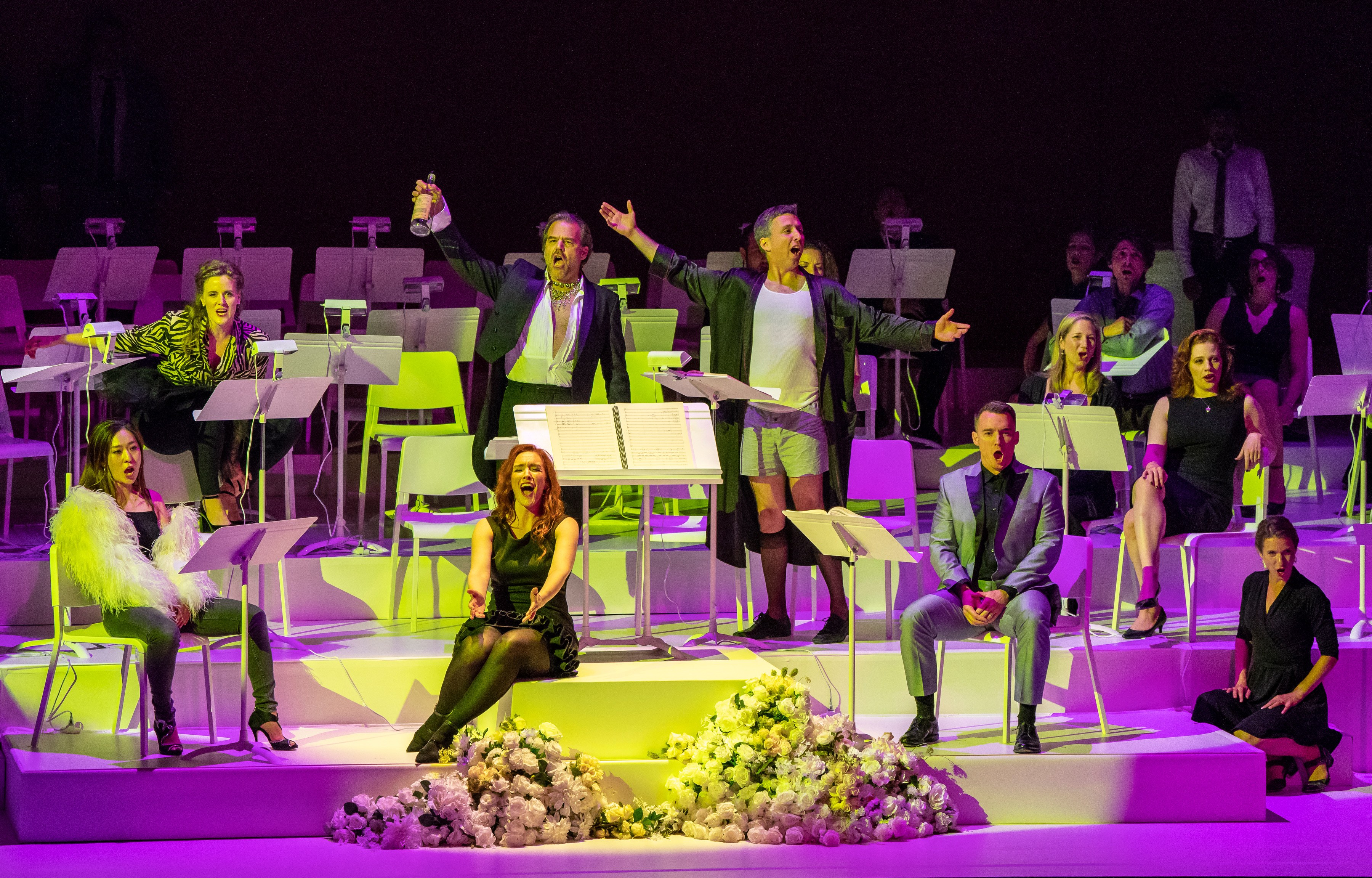
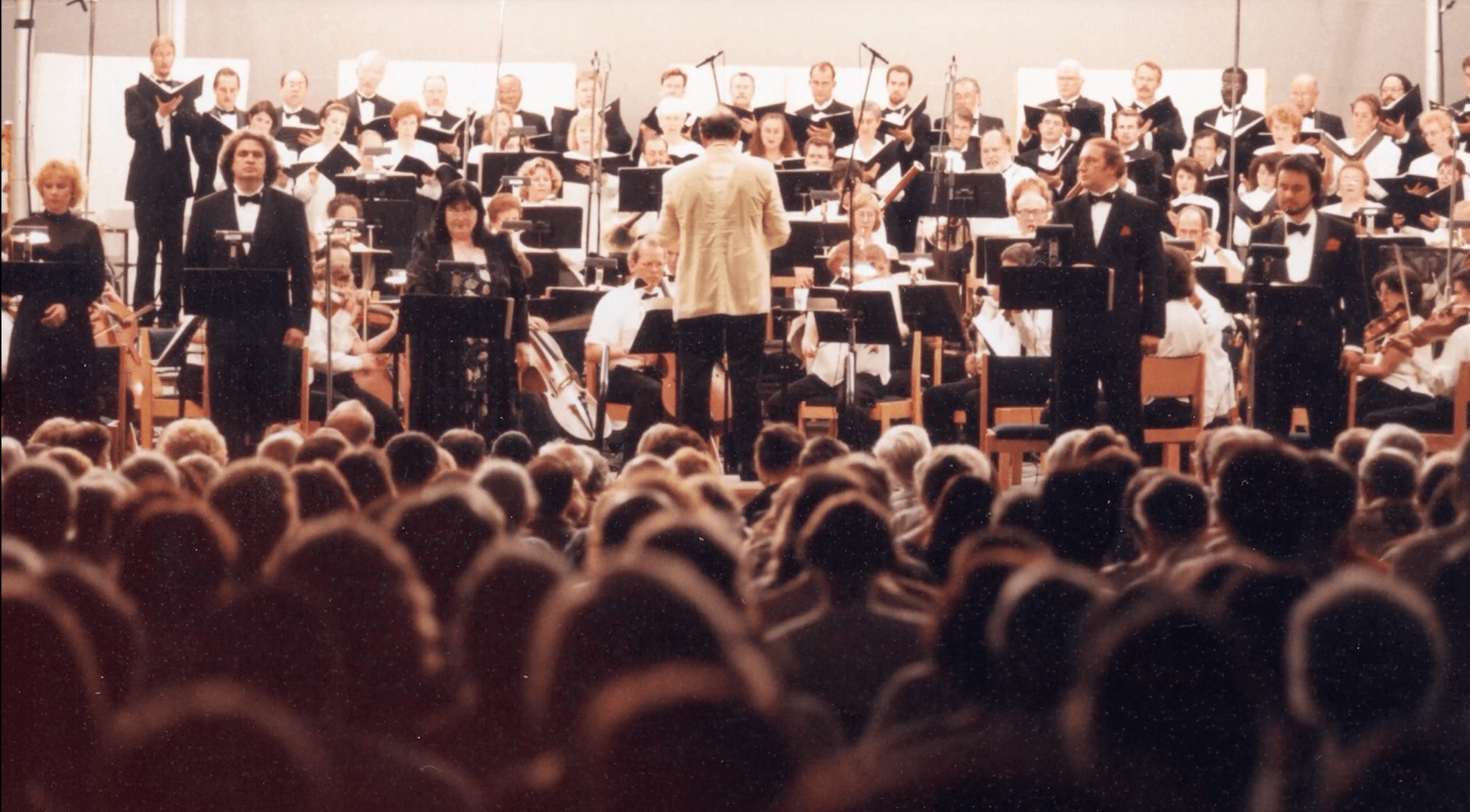
Founded in 1990, the Bard Music Festival has established its unique identity in the classical concert field by presenting programs that, through performance and discussion, place selected works in the cultural and social context of the composer’s world.
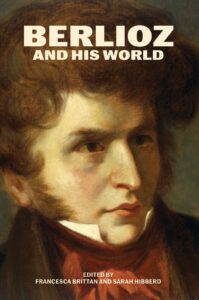
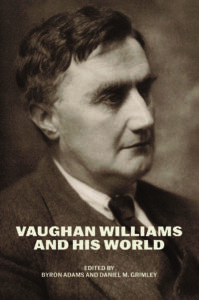
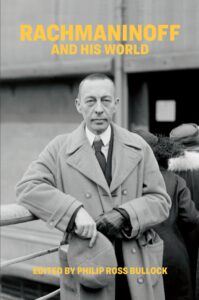
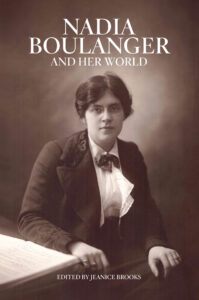
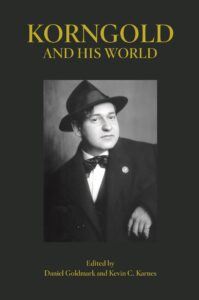
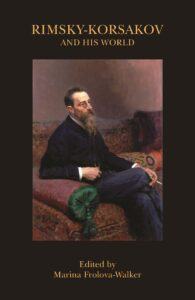
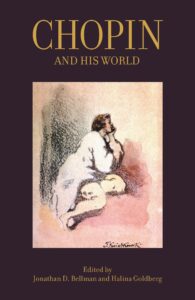
Programs of the Bard Music Festival offer a point of view. The intimate communication of recital and chamber music and the excitement of full orchestral and choral works are complemented by informative preconcert talks, panel discussions by renowned musicians and scholars, and special events. In addition, each season University of Chicago Press publishes a book of essays, translations, and correspondence relating to the festival’s central figure
By providing an illuminating context, the festival encourages listeners and musicians alike to rediscover the powerful, expressive nature of familiar compositions and to become acquainted with less well-known works.
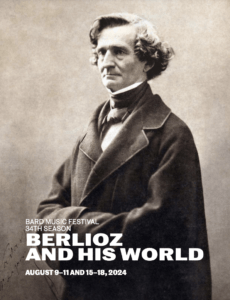
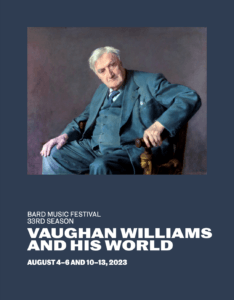
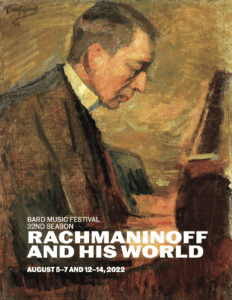
Since its inaugural season, the Bard Music Festival has entered the worlds of Brahms, Mendelssohn, Richard Strauss, Dvořák, Schumann, Bartók, Ives, Haydn, Tchaikovsky, Schoenberg, Beethoven, Debussy, Mahler, Janáček, Shostakovich, Copland, Liszt, Elgar, Prokofiev, Wagner, Berg, Sibelius, Saint-Saëns, Stravinsky, Schubert, Carlos Chávez, Puccini, Chopin, Rimsky-Korsakov, Korngold, Nadia Boulanger, Rachmaninoff, Vaughan Williams, Berlioz, and Martinů.


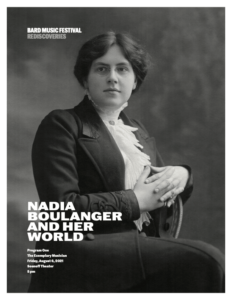
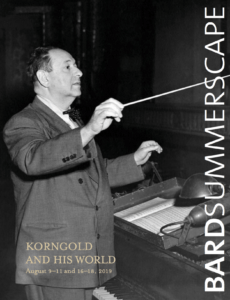
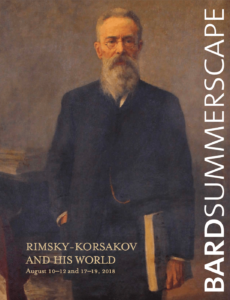
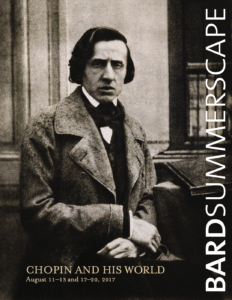
Support
The Fisher Center is generously supported by Jeanne Donovan Fisher, the Henry L. Kimelman Family Foundation, Rebecca Gold Milikowsky, Daniel Shapiro, Stephen E. Simcock, the Martin and Toni Sosnoff Foundation, Felicitas S. Thorne, the Advisory Board of the Fisher Center, Fisher Center members and general fund donors, The Shubert Foundation, and the New York State Council on the Arts with the support of the Office of the Governor and the New York State Legislature.
The Bard Music Festival is generously supported by Helen and Roger Alcaly, the Bettina Baruch Foundation, Jeanne Donovan Fisher, the H&L Family Foundation, Gary and Edna Lachmund, the Marstrand Foundation, Denise Simon and Paulo Vieira da Cunha, Felicitas S. Thorne, the Wise Music Family Foundation, the Bard Music Festival Board, and Bard Music Festival members.