Bard Music Festival
Program Eleven • “Too beautiful”: Mozart’s Abduction from the Seraglio
August 16
Bard Music Festival
August 16

Mozart was commissioned to write The Abduction from the Seraglio (“Die Entführung aus dem Serail”) by Joseph II, who hoped to promote a German-language National Singspiel to rival Italian opera. An immediate success at its premiere, the work established Mozart’s reputation and remained one of the greatest successes of his career. The Abduction is the story of a Spanish nobleman and his fiancée. She and their two servants have been kidnapped by pirates and sold into the harem of a Turkish Pasha. Using intrigue and disguises to outwit their overseer, the lovers plot an escape. However, it is only when the pasha reveals unexpected nobility, choosing mercy over revenge, that the four regain their freedom. This story reflects the fascination that Turkey held for Mozart and his Viennese contemporaries, for whom the Ottoman Empire was not only a key cultural influence but also—in the long shadow of the Ottoman–Habsburg wars—a remembered military threat. Imagining the Ottoman world through Western eyes, the work is imbued with Orientalism, from Mozart’s approximation of Turkish music, loosely based on that of the famous Janissary marching bands, to exoticized characters like the buffoonishly brutal overseer. Yet the opera also complicates such stereotypes: the pasha’s final act of clemency gave Viennese audiences an Enlightenment lesson, presenting virtue as a universal trait and using the imagined East to critique Western cruelty. With its emphasis on historical scholarship and ability to provide a “rich web of context” (The New York Times), Bard is uniquely well-placed to explore these contradictions, when Botstein, the ASO, and the Bard Festival Chorale take part in a semi-staged concert performance of the opera. This forms Program Eleven, “Too beautiful”*: Mozart’s Abduction from the Seraglio, which draws the Bard Music Festival—and all seven weeks of Bard SummerScape—to a gripping close.
2 pm • Preconcert Talk: Larry Wolff
3 pm • Performance: Bard Festival Chorale, James Bagwell, choral director; American Symphony Orchestra, conducted by Leon Botstein, music director; video projection design by John Horzen; dialogue translation by Rafaël Newman; stage direction by Marco Nisticò
Wolfgang Amadé Mozart (1756–91) (Stephanie, based on Bretzner)
The Abduction from the Seraglio, K384 (1782)
Act 1
Act 2
INTERMISSION
Act 3
Stefano de Peppo • Pasha Selim
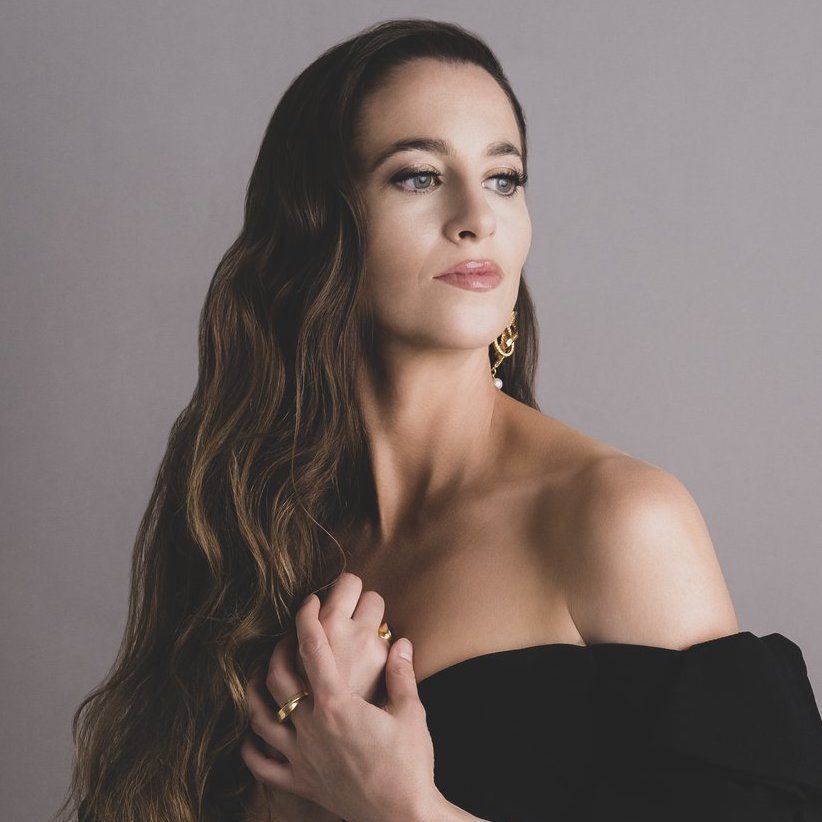
Jana McIntyre, soprano • Konstanze
Catherine Creed, soprano • Blondchen, maid of Konstanze
Minghao Liu, tenor • Belmonte
Aaron Blake, tenor • Pedrillo, servant of Belmonte
Harold Wilson, bass-baritone • Osmin, overseer of the Pasha’s country house
*Quote attributed to Emperor Joseph II.
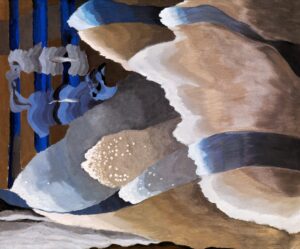
Artwork: Costume Study for Blonde in the Abduction from the Seraglio by W.A. Mozart by Johann Georg Christoph Fries, ca. 1830–50; Wikimedia Commons as part of a project by the Metropolitan Museum of Art.
Personal English subtitles are available via contexts.live for this performance.
Soprano

Soprano

Tenor

Tenor

Bass-Baritone

Spoken Role, Pasha Selim

Conductor and Music Director, American Symphony Orchestra

Choral Director, Bard Festival Chorale
Setting
Türkiye in the 1700s. Konstanze, a young Spanish noblewoman, has been taken prisoner by pirates, along with Blondchen, her English maid, and Pedrillo, valet to her fiancé Belmonte. The three captives have been sold to Pasha Selim, who has made Pedrillo his gardener and given Blondchen to Osmin, who oversees his palace. Pedrillo has gotten word to Belmonte back in Spain, and he has tracked the trio to the Pasha’s seaside palace.
Act 1
Arriving at the palace, Belmonte encounters Osmin, who becomes enraged when asked about Pedrillo. After sending Belmonte away, Osmin harangues Pedrillo, who is in love with Blondchen, when he suggests they make peace. Pedrillo sees Belmonte and informs him that the Pasha wants to make Konstanze one of his wives. Pedrillo comes up with a plan to get Belmonte into the palace and for all of them to escape.
The Pasha and Konstanze return from a trip. He has made advances, but treated her respectfully. She insists she is in love with Belmonte and continues to reject Selim. Pedrillo introduces Belmonte to the Pasha as an architect seeking work and Selim invites him to stay. Osmin tries to stop Belmonte and Pedrillo from entering the palace, but they push him aside.
Act 2
In the palace garden, Blondchen angers Osmin by rebuffing his advances and refusing to accept that she is a slave. Konstanze pines for Belmonte. The Pasha again asks Konstanze to marry him and her refusal to betray her fiancé angers him. Pedrillo tells Blondchen about the escape plan. Pedrillo gets Osmin drunk, clearing the way for the couples to reunite.
Act 3
Late that night, Belmonte and Pedrillo bring a ladder to their beloveds’ window. Pedrillo alerts them with a serenade that it’s time to escape. However, his singing wakens Osmin, and the four are locked up. Brought before the Pasha, Belmonte reveals to Selim that his family, the Lostados, are wealthy and will pay a ransom for their return. The Pasha realizes that Belmonte is the son of the man who exiled him from his own country, but rather than seek revenge, Selim frees all four. Osmin is, once again, enraged. The couples praise the Pasha’s humanity as they leave.
Grab a bite and a drink while you’re at the Fisher Center! We offer theater concessions at Sosnoff Theater, LUMA Theater, and Olin Hall. Across the way is the al fresco Spiegeltent Garden—or grab a nosh while seeing a Spiegeltent performance. There is ample space for outdoor picnics across the Bard College campus. Nearby villages and towns in the Hudson Valley boast a large selection of restaurants, as well as a variety of hotels, motels, inns, and bed & breakfasts.
Eat & StayBard College’s main campus is located in Annandale-on-Hudson (a hamlet of Red Hook), New York, on the east bank of the Hudson River, about 90 miles north of New York City and 220 miles southwest of Boston. The Taconic State Parkway and the New York State Thruway provide the most direct routes to our campus. Click the Google map below, or get directions by entering the following address into your GPS: 60 Manor Avenue, Red Hook, NY 12571.
From the East
If you are traveling from east of the Hudson River in New York State, take the Taconic State Parkway to the Red Hook / Route 199 exit, drive west on Route 199 through the village of Red Hook to Route 9G, turn right onto Route 9G, drive north 1.9 miles, turn left onto Annandale Road, then turn right onto Manor Ave.
From the West
If you are traveling from west of the Hudson River, take the New York State Thruway (I-87) to exit 19 (Kingston), take Route 209 (changes to Route 199 at the Hudson River) over the Kingston-Rhinecliff Bridge to Route 9G, turn left onto Route 9G, drive north 3.5 miles, turn left onto Annandale Road, then turn right onto Manor Ave.
Sosnoff Theater
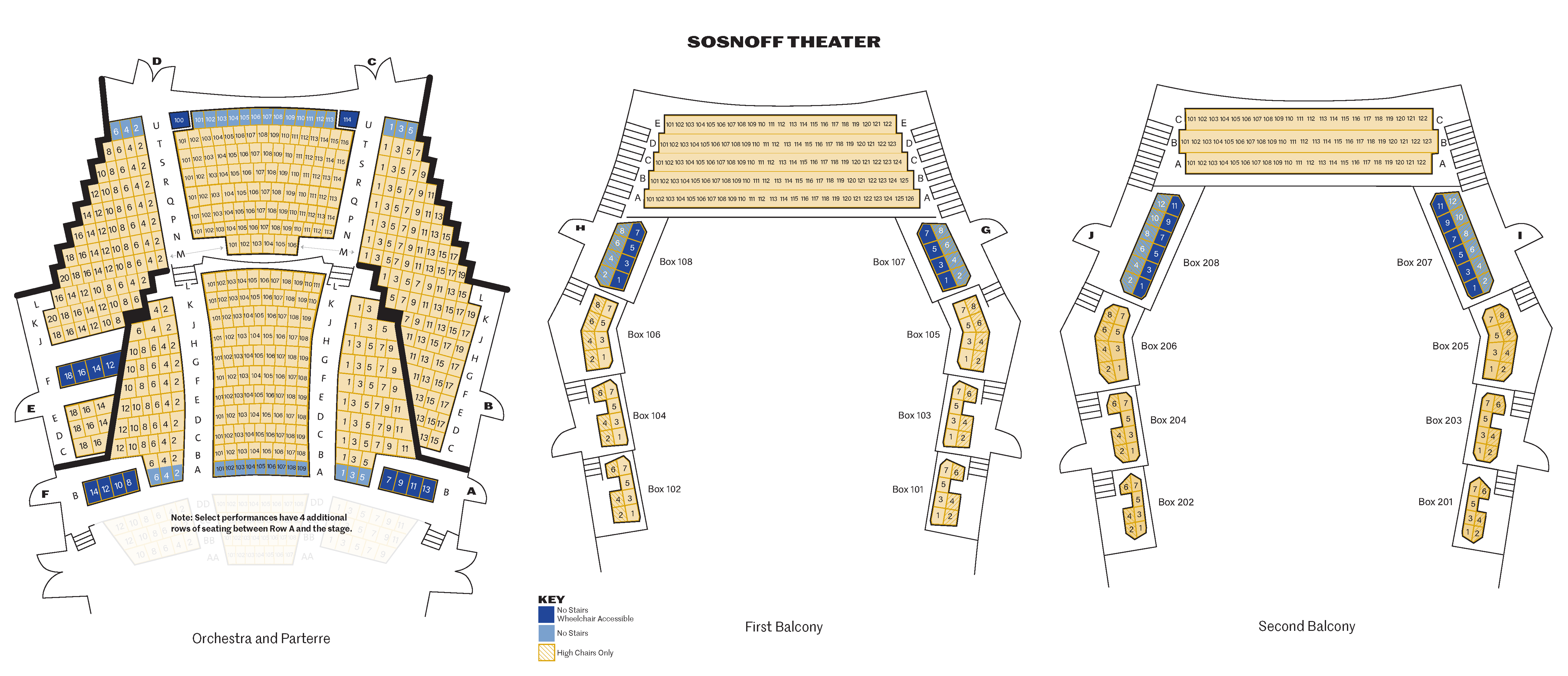
Accessible Seating
Wheelchair-accessible seating is available in all seating areas for patrons in wheelchairs and their companions. There is an elevator to all levels of the Sosnoff Theater and a wheelchair lift is used to access front-row wheelchair seating.
Wheelchair-Accessible Restrooms
Restrooms at all locations are wheelchair accessible. Single-use restrooms are available at most locations.
All-Gender Restrooms
Bard College and the Fisher Center support guests of any gender identity/expression in using the restroom of their choice. Additionally, all-gender restrooms are available at all venues.
Find answers to some of the most common questions patrons have regarding our venues and performances. If you have a question not answered in our FAQs, please call 845-758-7900 or email [email protected] during regular Box Office hours.
Our “Know Before You Go” guide answers all of your pre-show accessibility and navigation questions for your next performance at the Fisher Center!