Bard Music Festival
Program Six • I live with God ever before me: Mozart’s Religion
August 13
Bard Music Festival
August 13
Following the past three seasons’ sold-out concerts in nearby Rhinebeck, the Bard Music Festival returns off-campus for Program Six, “I live with God ever before me: Mozart’s Religion.” Featuring James Bagwell, the Bard Festival Chorale, and the renovated organ of the Episcopal Church of the Messiah, this program presents a sampling of Mozart’s own sacred music, dating from God is Our Refuge, a motet composed at just nine years old, to two Church Sonatas and the dramatic liturgical psalm settings of his Vesperae solennes de Confessore. These will be heard alongside the original, less familiar version of Gregorio Allegri’s haunting Miserere, a work strictly guarded by the Vatican until Mozart transcribed it from memory as a child; J. S. Bach’s funeral motet Fürchte dich nicht; the fourth Chandos Anthem by George Frideric Handel, whom Mozart held in particularly high esteem; an Epiphany anthem by his student Thomas Attwood, the organist of London’s St. Paul’s Cathedral; and the Missa brevis in F, a major liturgical choral work by Joseph Haydn, with whom Mozart shared a close friendship and deep-seated mutual reverence.
7 pm • Performance: Alexander Pattavina, organ; Margaret Tigue VAP ’20, soprano;
Katherine Lerner Lee VAP ’23, mezzo-soprano; Jun Mo Yang VAP ’24, tenor; Devon Russo,
bass-baritone; Bard Festival Chamber Players and Bard Festival Chorale, conducted by
James Bagwell, choral director
Gregorio Allegri (1582–1652)
Miserere mei, Deus (ca. 1638–39)
George Frideric Handel (1685–1759)
Chandos Anthem No. 4, “O Sing unto the Lord,” HWV 249b (1717–18)
Johann Sebastian Bach (1685–1750)
Fürchte dich nicht, BWV 228, funeral motet (1726?)
Wolfgang Amadé Mozart (1756–91)
Church Sonata in D Major, K245 (1776)
God is Our Refuge, K20 (1765)
Thomas Attwood (1765–1838)
O God, Who by the Leading of a Star (1814)
Joseph Haydn (1732–1809)
Missa brevis in F Major, Hob. XXII:1 (1749)
Kyrie
Gloria
Credo
Sanctus
Benedictus
Agnus Dei
Wolfgang Amadé Mozart
Church Sonata No. 6 in B-flat Major, K212 (1775)
Vesperae solennes de Confessore, K339 (1780)
Dixit Dominus
Confitebor tibi, Domine
Beatus vir
Laudate pueri Dominum
Laudate Dominum
Magnificat
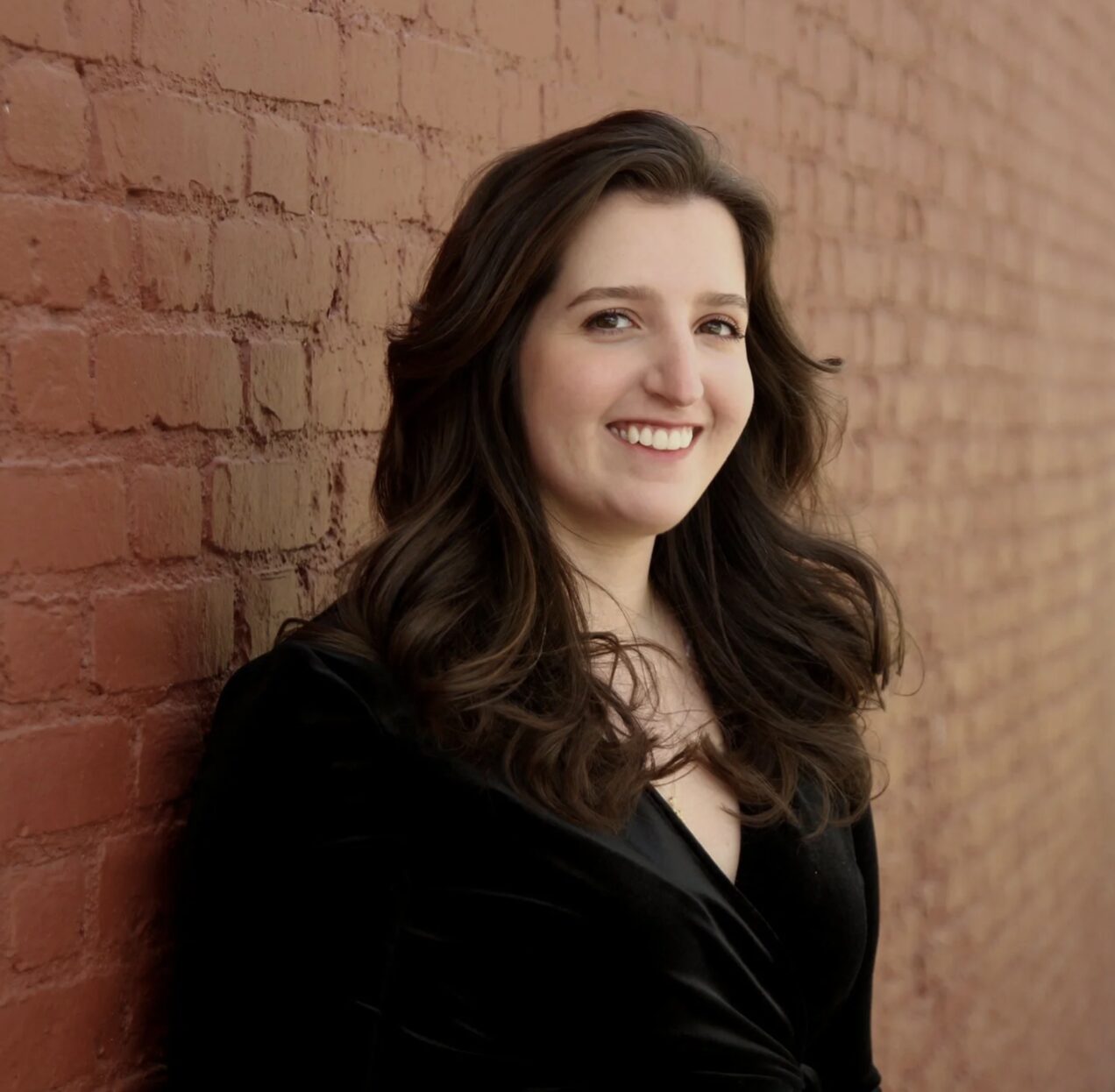
Soprano
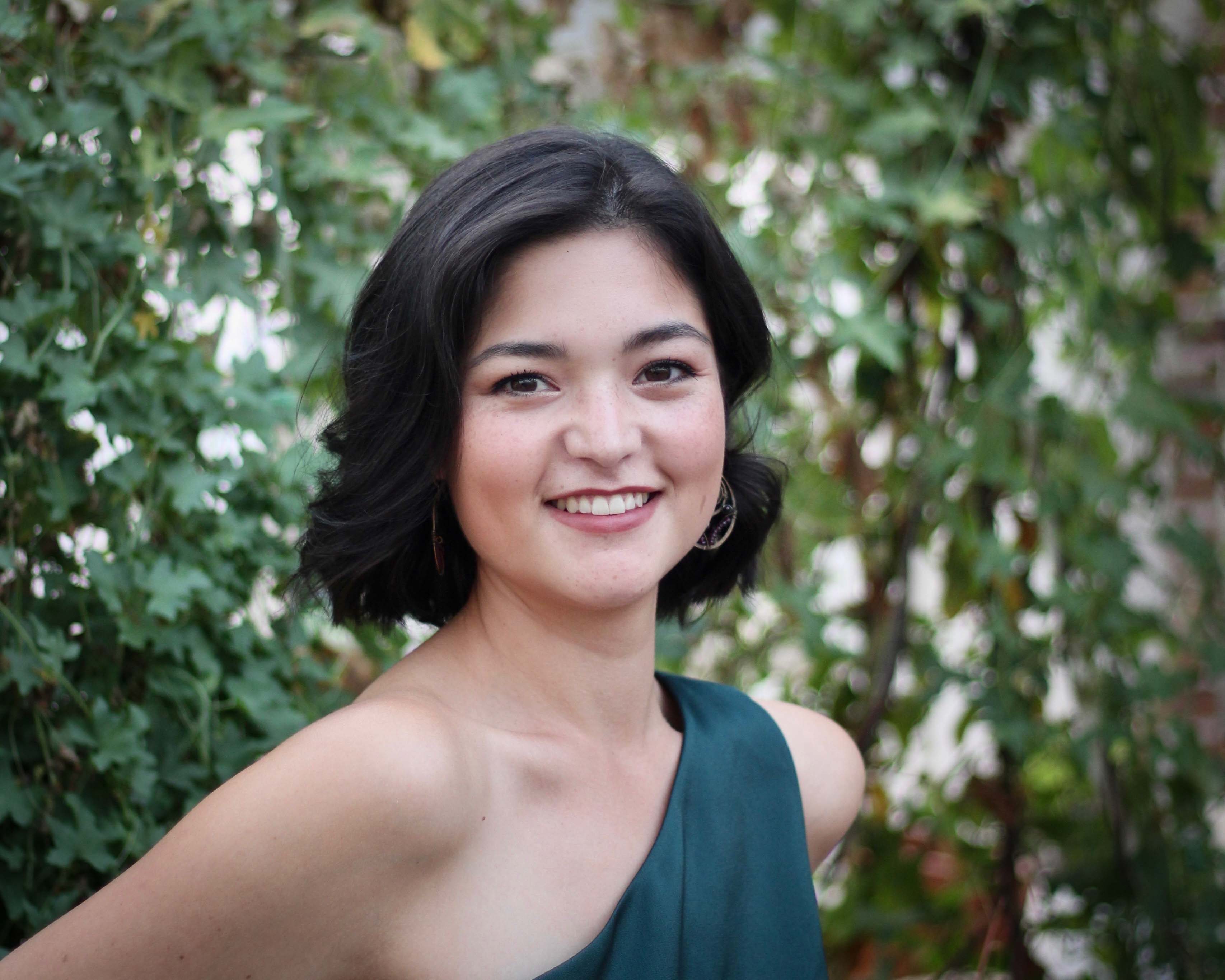
Soprano
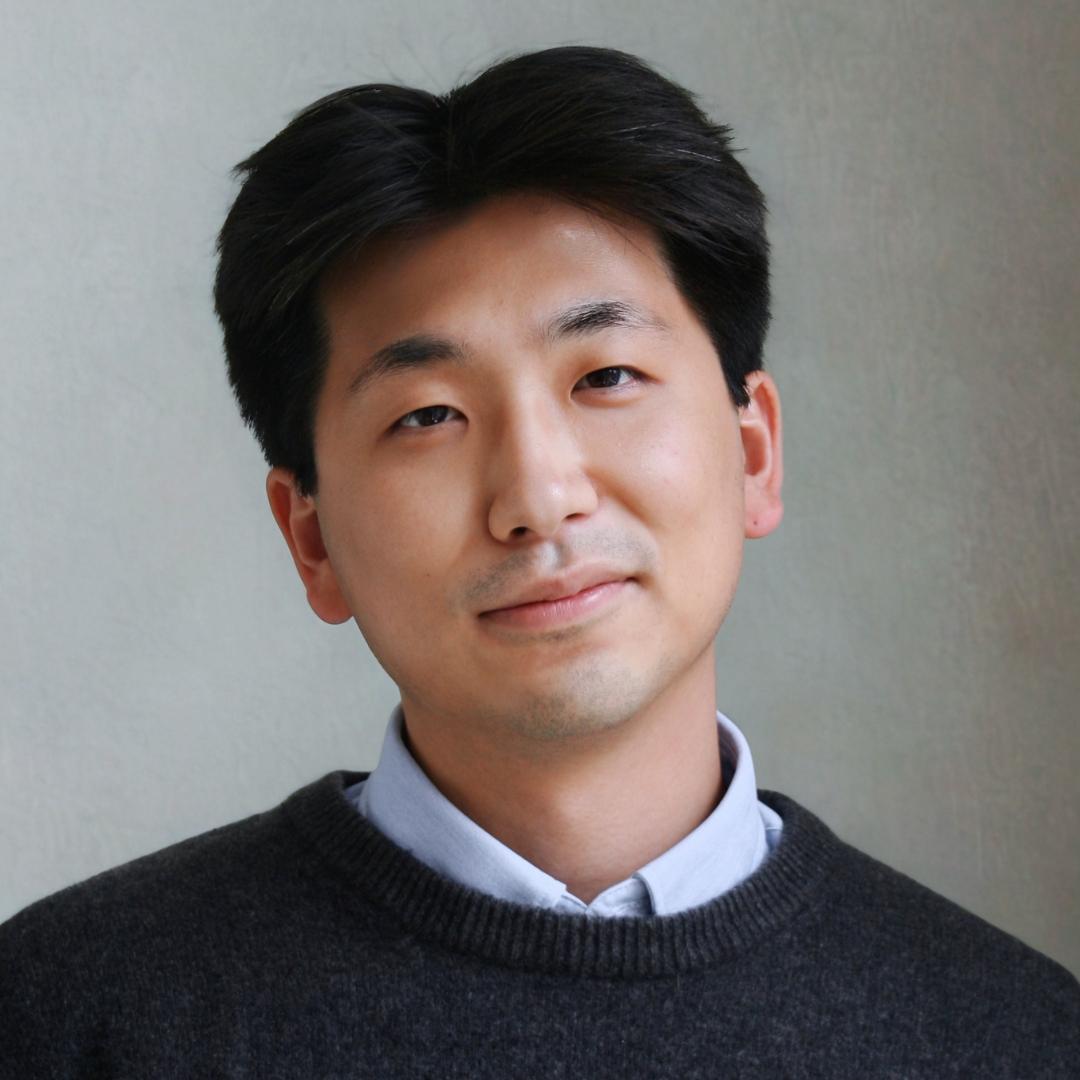
Tenor
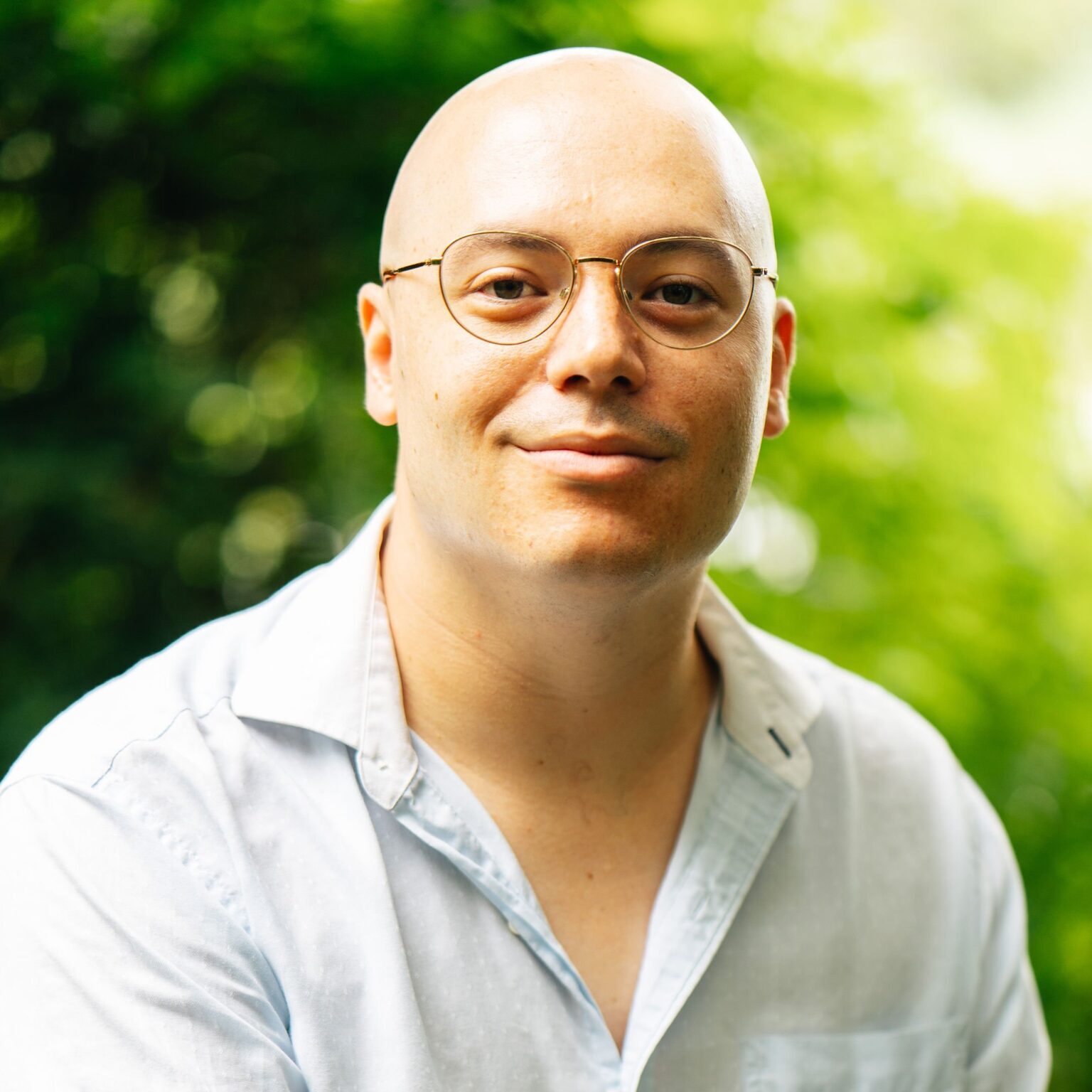
Bass-Baritone
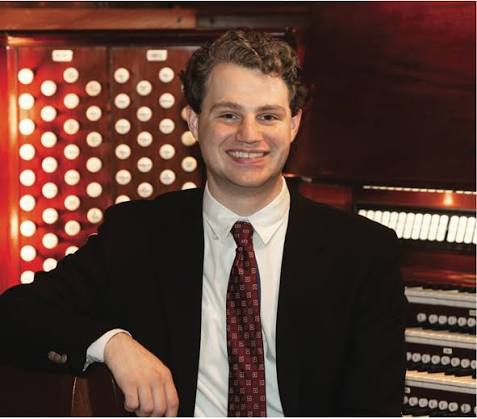
Organ
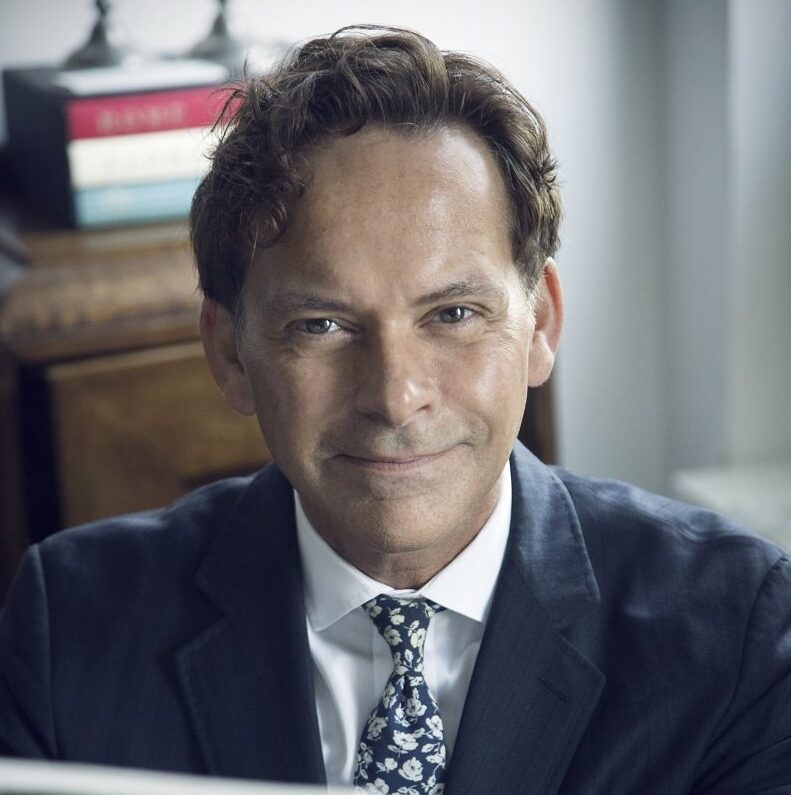
Conductor, Bard Festival Chamber Players and Bard Festival Chorale
The organ at the Church of the Messiah was installed in 1923 by the celebrated E.M. Skinner Company of Boston. The company, which had a reputation for creating instruments of superb quality and great tonal beauty, built organs for prominent churches and universities, including both the Cathedral of Saint John the Divine and St. Thomas Church in New York. A gift to the parish by Captain Vincent Astor, the organ has just returned to the church following a major reconditioning by Quimby Pipe Organs of Warrensburg, Missouri.
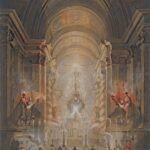
Artwork: Louis Jean Desprez (1743–1804) and Francesco Piranesi (1748-1810), Holy Sacrament in the Pauline Chapel, etching, ca. 1785. Credit: Alamy
Grab a bite and a drink while you’re at the Fisher Center! We offer theater concessions at Sosnoff Theater, LUMA Theater, and Olin Hall. Across the way is the al fresco Spiegeltent Garden—or grab a nosh while seeing a Spiegeltent performance. There is ample space for outdoor picnics across the Bard College campus. Nearby villages and towns in the Hudson Valley boast a large selection of restaurants, as well as a variety of hotels, motels, inns, and bed & breakfasts.
Eat & StayChurch of the Messiah
6436 Montgomery Street
Rhinebeck, NY 12572
Find answers to some of the most common questions patrons have regarding our venues and performances. If you have a question not answered in our FAQs, please call 845-758-7900 or email [email protected] during regular Box Office hours.
Our “Know Before You Go” guide answers all of your pre-show accessibility and navigation questions for your next performance at the Fisher Center!