Bard Music Festival 2011
Sibelius and His World
August 12–14 and August 19–21, 2011
When a survey was conducted in the mid-1930s to identify the composer whose music was the most popular among American concert audiences, the startling surprise was that the winner was Jean Sibelius (1865–1957). Yet this embrace by the public was matched by an equally startling alliance of critics and musicians who derided Sibelius’s music. He was dismissed as a second-rate composer, his music deemed old-fashioned and undemanding—mere easy listening. At best, he was condescendingly pigeonholed as an overrated representative of the modern spirit of a young nation on the “periphery” of Europe.
Although Sibelius lived to the venerable age of 91, as a composer he fell silent during the last 30 years of his life. But his silence did not prevent him from becoming the undisputed hero to his native Finland: the most recognizable and celebrated cultural icon in modern Finnish history, a status that has not diminished since his death. At the same time, Sibelius continued to be dismissed as a holdover from the 19th century, out of step with modernism. This has all changed. Beginning in the last decades of the 20th century, a worldwide renaissance of interest in Sibelius has occurred. A new generation of composers, musicians, and scholars came to view Sibelius as an original, a master of musical form and sound, notably in the medium of the orchestra.
This year’s Bard Music Festival seeks to unravel key enigmatic and paradoxical aspects of Sibelius’s life, music, and influence. It will explore the full range of Sibelius’s work, his Scandinavian predecessors and contemporaries, his colleagues in Europe and North America. The festival will orient Sibelius in Finland and beyond, with politics, literature, painting, and architecture all brought to bear in an effort to explode the many clichés about Sibelius that, through praise and criticism alike, trap us in an idea of the composer as quintessentially Finnish and Nordic. The 2011 Bard Music Festival seeks to expose the full range and depth of Sibelius’s achievement and place in history.
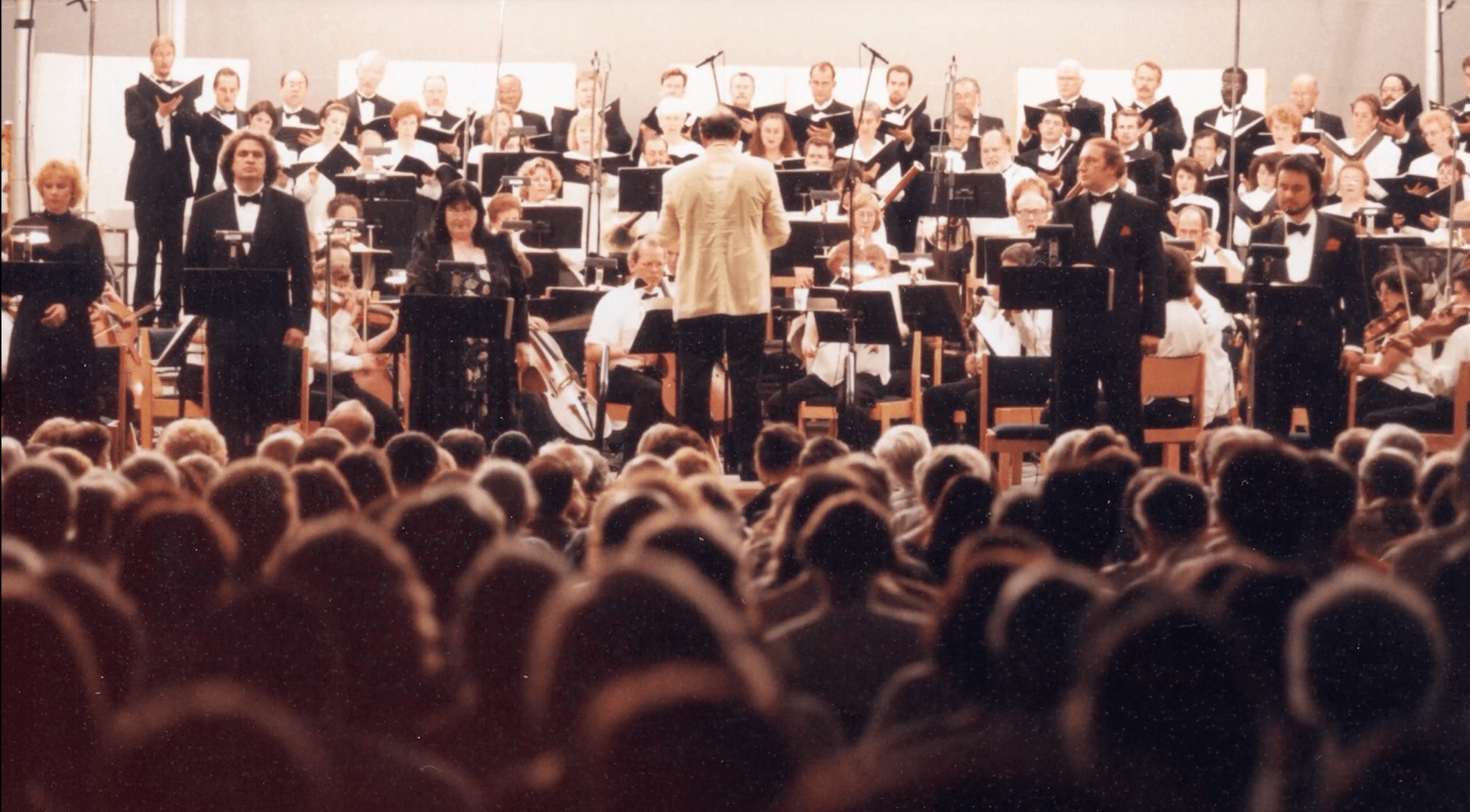
Bard Music Festival weekends include orchestral concerts by the American Symphony Orchestra, chamber and choral music performances, panel discussions, and a symposium.
Tickets from $25 to $75.
Join our mailing list—Fisher Center e-members are first in line for tickets, discounts, and other special offers.
The honorary patron for SummerScape 2011 and the 22nd annual Bard Music Festival is Martti Ahtisaari, Nobel Peace Prize laureate and former president of Finland.
Weekend One
Imagining Finland
Friday, August 12 - Sunday, August 14
Although celebrated as the quintessential patriot of Finland and a paragon of both the Finnish language and an ancient mythic and folk tradition, Sibelius was most comfortable throughout his life speaking and writing in Swedish. His development as a musician took place only partly in Finland. He went to Berlin and Vienna and traveled regularly away from home in order to compose. The young Sibelius was a rake, a rebel with a taste for the elegant life, a stark contrast to the reclusive, ascetic, and forbidding image we cherish of the mature artist living in isolation. This weekend explores Sibelius’s early years and the role in his development played by a generation of artists and intellectuals, among them the painter Axel Gallen-Kallela and the architect Eliel Saarinen, who sought to define the culture of modern Finland and the essence of Scandinavia and the North in Europe.
Weekend Two
Sibelius, Conservative or Modernist?
Friday, August 19 - Sunday, August 21
The second weekend confronts Sibelius’s reputation, reception, and influence in Europe and America after the First World War. Can we get beyond our attraction to his music as persuasively communicative of a romanticized image of an alluring novel landscape and heritage? What lies beneath the ethnic and nationalist stereotype: the bald and forbidding genius living an isolated life outside of Helsinki in rural Finland, beset by depression and alcoholism? We accept that Bach, Mozart, and Beethoven transcended the context of their times. Was Sibelius the true 20th-century heir to Beethoven as some saw him, sensing in his music a path for modernity different from the routes charted by Mahler, Stravinsky, and Schoenberg. The presumed antimodernist streak in his music will be examined in the context of political and cultural history, as will his struggle with the limits of language, the legacy of music history, and his deep engagement with nature.
The Festival
History of the Festival
Leon Botstein, Christopher H. Gibbs, and Robert Martin, Artistic Directors
The Bard Music Festival was founded in 1990 to promote new ways of understanding and presenting the history of music to a contemporary audience. Each year, a single composer is chosen as the main subject. The biography of the composer, the influences and consequences of that composer's achievement, and all aspects of the musical culture surrounding the time and place of the composer's life are explored. Perhaps the most important dimensions of the festival are the ways in which it links music to the worlds of literature, painting, theater, philosophy, and politics and brings two kinds of audience together: those with a long history of interest in concert life and first-time listeners, who find the festival an ideal place to learn about and enjoy the riches of our musical past.
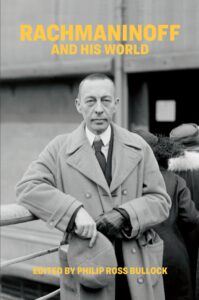
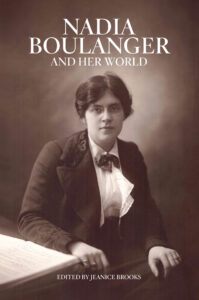
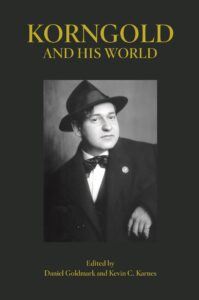
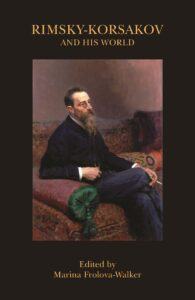
The festival also seeks to bridge the worlds of performance and scholarship in new and exciting ways. As a result of this collaboration, each concert is curated and the concert format varies, so that different genres and instrumental groupings appear in a single program, breaking the mold of the standard vocal recital, piano recital, or quartet concert. Concerts are complemented by informative preconcert talks, panel discussions by renowned musicians and scholars, and special events. In addition, each season Princeton University Press publishes a book of essays, translations, and correspondence relating to the festival’s central figure.The 2012 festival will explore the life and work of Camille Saint-Säens.
The Program 2011
Click below to view the program in full screen.August 2012
How do I buy tickets for upcoming events?
Click here to buy tickets to Spring Events.Click here to buy tickets to SummerScape and Bard Music Festival.
Saint-Saëns and His World
Weekend One: Paris and the Culture of Cosmopolitanism
August 10–12
Weekend Two: Confronting Modernism
August 17–19
Transportation
SummerScape offers round-trip transportation from Manhattan to Bard as well as shuttles to and from the Poughkeepsie train station. Click here for more information and to make a reservation.SCHEDULE FOR WEEKEND ONE:
Round-trip Bus from NYC
Friday, August 10
Sunday, August 12
Shuttles from Train Station
Friday, August 10
Saturday, August 11
Sunday, August 12
SCHEDULE FOR WEEKEND TWO:
Round-trip Bus from NYC
Friday, August 17
Sunday, August 19
Shuttles from Train Station
Friday, August 17
Saturday, August 18
Sunday, August 19