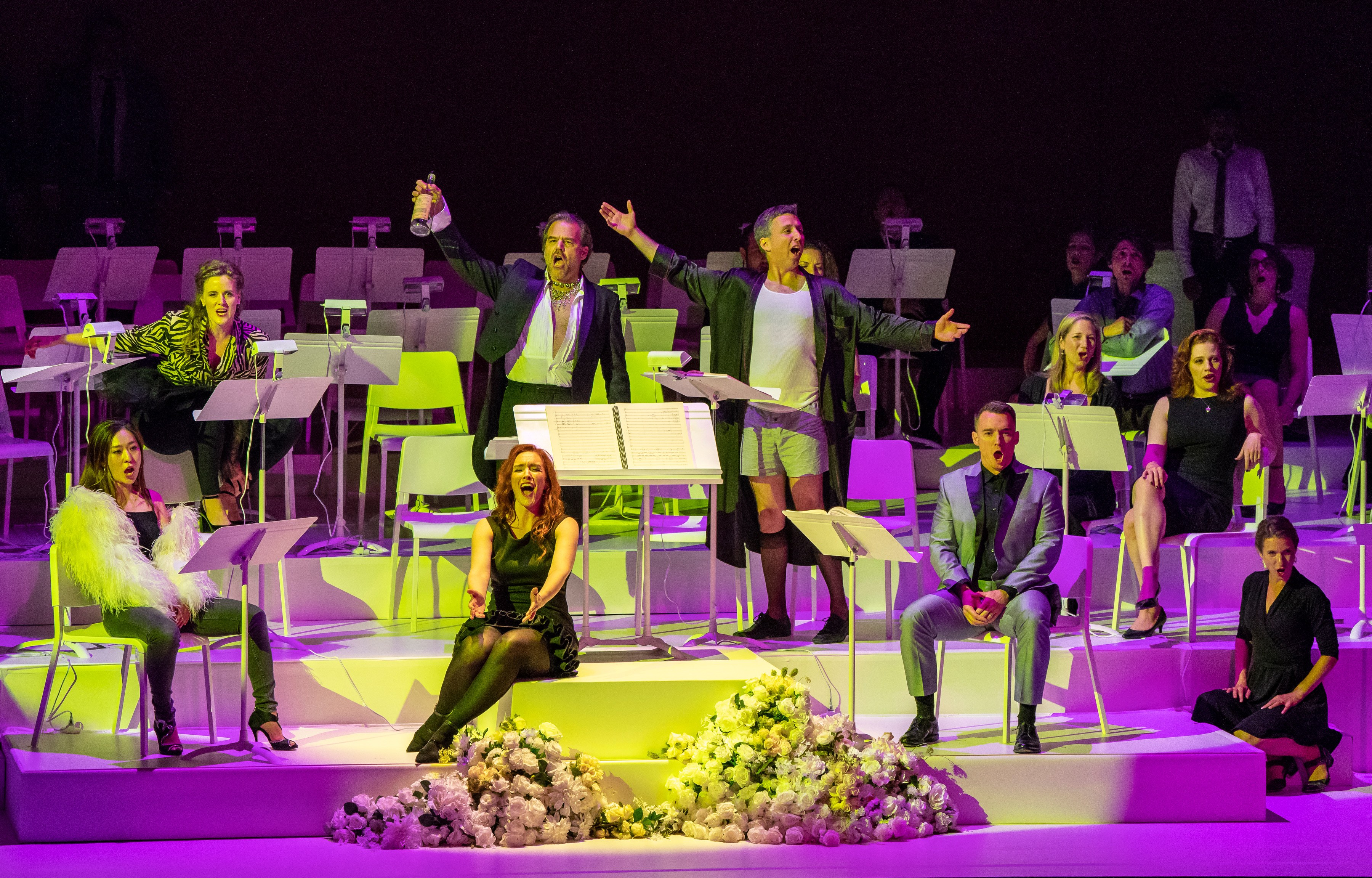
Saint-Saëns and His World

August 10–12 and August 17–19, 2012

Weekend One: Paris and the Culture of Cosmopolitanism
August 10–12

Weekend Two: Confronting Modernism
August 17–19

Few composers were as celebrated and influential—and for so long—during their lifetimes, and throughout Europe and North America, as Camille Saint-Saëns (1835–1921). In his extraordinary life and career, he crossed paths with all major musicians from Berlioz to Stravinsky. How is it, then, that a musician of such fame, prominence, and popularity, a prolific composer (who wrote for every genre, from piano music for children to the opera stage), an acerbic critic, and a brilliant virtuoso has come to be looked upon by posterity with reserve if not skepticism?

Revisiting the range and beauty of Saint-Saëns’s remarkable accomplishment as a composer requires taking a new look at the conceits of modernism and the avant-garde. The refinement and elegance of his allegiance to tradition and taste, the craftsmanship and avowed eclecticism, all suggest a neglected highpoint in European culture. Indeed, Saint-Saëns’s career spanned the course of French music from Gounod to Ravel, and his aesthetic and music provide a mirror of French culture and society and the special place that music occupied. Saint-Saëns influenced the way the history of music was transmitted and communicated to the widening public for culture. He was both a traditionalist and an innovator, deeply involved in the development of modern science and technology, and the possibilities and consequences of French colonialism. He brought the East into the West, defied national and sectarian stereotypes, stood apart from all factions, including the Wagnerian, and was the first major composer to write for film.

In this year’s Bard Music Festival, the worlds of Balzac and Proust come alive through the music of Saint-Saëns and his contemporaries. Listeners will discover how Saint-Saëns shaped our sense of the history of music—from the age of Lully and Rameau to Mozart, Beethoven, and Chopin—and resisted the allure of a xenophobic concept of the French spirit. Saint-Saëns’s music brings the entire 19th century into focus, particularly the significance of musical life. Through his enormous range and his focus on style, our appreciation of the classical, the romantic, and the modern in music is inevitably deepened.

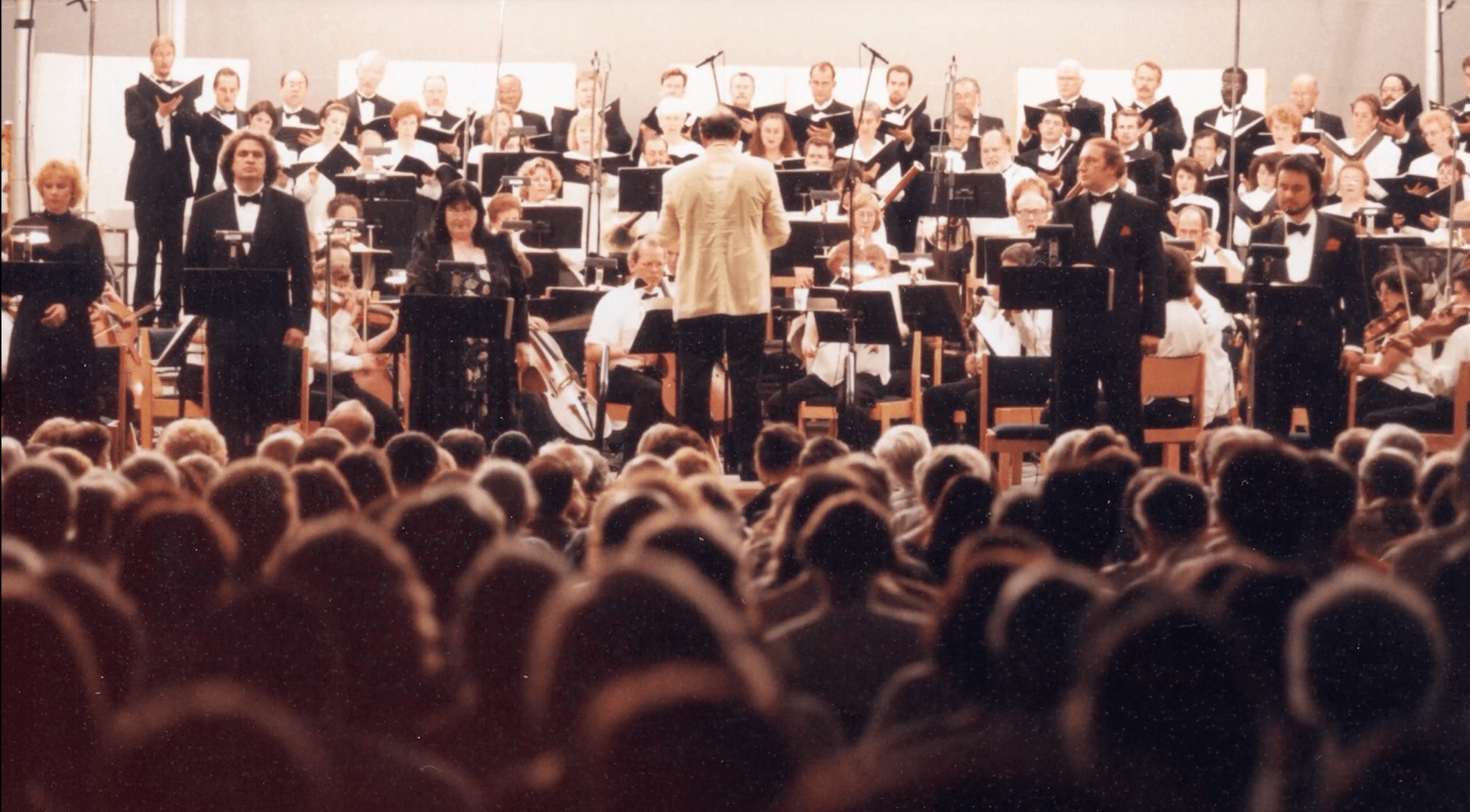
Bard Music Festival weekends include orchestral concerts by the American Symphony Orchestra, chamber and choral music performances, panel discussions, and lectures by noted scholars.

Jann Pasler, Scholar in Residence 2012

Tickets from $25 to $75

Join our mailing listFisher Center e-members are first in line for tickets, discounts, and other special offers.

The 23rd annual Bard Music Festival is made possible in part through the generous support of the Board of the Bard Music Festival and the Friends of the Fisher Center, as well as grants from the National Endowment for the Arts and the New York State Council on the Arts.


Paris and the Culture of Cosmopolitanism

Weekend One

FRIDAY, AUGUST 10 – SUNDAY, AUGUST 12

Including a radical reconsideration of Saint-Saëns’s most famous piece, The Carnival of the Animals, this weekend’s concerts explore the composer’s debt to musical traditions, to Mozart, Beethoven, Rossini, Chopin, Mendelssohn, Berlioz, Liszt, and Wagner. Saint-Saëns was a child prodigy and polymath; he toured the world and brought into his music influences from other countries and traditions. His Third Symphony and an extensive selection of chamber music will be featured. Music’s connection to religion will be explored in a concert of organ music by Saint-Saëns and his contemporaries. Saint-Saëns’s participation in the Société nationale offers an opportunity to present music by Chabrier, Franck, Magnard, Fauré, and Augusta Holmés.

More

Confronting Modernism


Weekend Two

FRIDAY, AUGUST 17 – SUNDAY, AUGUST 19

The second weekend of the festival begins with music as seen through the eyes of Marcel Proust and closes with a juxtaposition of the music of Saint-Saëns written at the end of his life and the music of Debussy and Stravinsky. The concerts will place Saint-Saëns alongside such contemporaries as Fauré, Ravel, d’Indy, Chaminard, Berlioz, and Gounod. The weekend includes performances of one of Saint-Saëns’s finest choral works, The Flood, alongside Psalm 130 by Lili Boulanger and Psalm 47 by Florent Schmitt. In view of the significance of opera in 19th-century French music and Saint-Saëns’s oeuvre, the festival will close with a concert performance of Henry VIII, a brilliant setting of the story of Anne Boleyn.


More
The Festival

History of the Festival

Leon Botstein, Christopher H. Gibbs, and Robert Martin, Artistic Directors

The Bard Music Festival was founded in 1990 to promote new ways of understanding and presenting the history of music to a contemporary audience. Each year, a single composer is chosen as the main subject. The biography of the composer, the influences and consequences of that composer's achievement, and all aspects of the musical culture surrounding the time and place of the composer's life are explored. Perhaps the most important dimensions of the festival are the ways in which it links music to the worlds of literature, painting, theater, philosophy, and politics and brings two kinds of audience together: those with a long history of interest in concert life and first-time listeners, who find the festival an ideal place to learn about and enjoy the riches of our musical past.

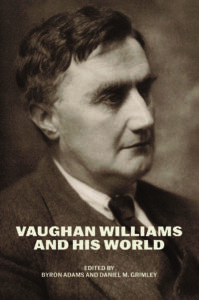
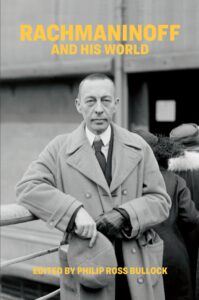
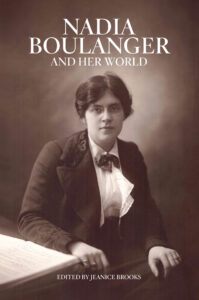
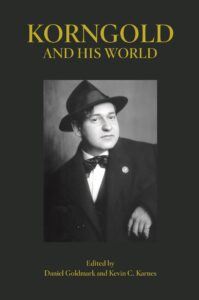
The festival also seeks to bridge the worlds of performance and scholarship in new and exciting ways. As a result of this collaboration, each concert is curated and the concert format varies, so that different genres and instrumental groupings appear in a single program, breaking the mold of the standard vocal recital, piano recital, or quartet concert. Concerts are complemented by informative preconcert talks, panel discussions by renowned musicians and scholars, and special events. In addition, each season Princeton University Press publishes a book of essays, translations, and correspondence relating to the festival’s central figure.  

The 2013 festival will explore the life and work of Igor Stravinsky.

More about the Bard Music Festival

BMF Book Series | Past Festivals

August 2013

S M T W T F S
        1 2 3
4 5 6 7 8 9 10
11 12 13 14 15 16 17
18 19 20 21 22 23 24
25 26 27 28 29 30 31

Browse the SummerScape Brochure

How do I buy tickets for upcoming events?

Click here to purchase tickets to 2013 Spring Events. 

Click here to purchase tickets to 2013 SummerScape and Bard Music Festival.

Become an e-member

Fisher Center e-members are first in line for tickets and special offers, including discounts.
Join today!

JOIN US | May 22 at 7 pm

The Bard College Conservatory Orchestra and the Bard Music Festival celebrate "Stravinsky and His World"

Alice Tully Hall

1941 Broadway, New York City

Works by Stravinsky, Prokofiev, and Shostakovich

Bard Music Festival Gala Dinner immediately following. To register, click here.

For concert tickets only, click here